
Use Case - Chargeback & Showback
Show people
what their data costs
Starfish delivers daily, auditable updates on consumption and cost, traceable to individual users by ownership. Administrators set cost per GB and loaded cost per GB by volume and device, and map storage to grant numbers or cost centers.
Built for environments where storage is purchased centrally, consumed invisibly, and grows without limit.
Cost Modeling
Put a real number on every gigabyte
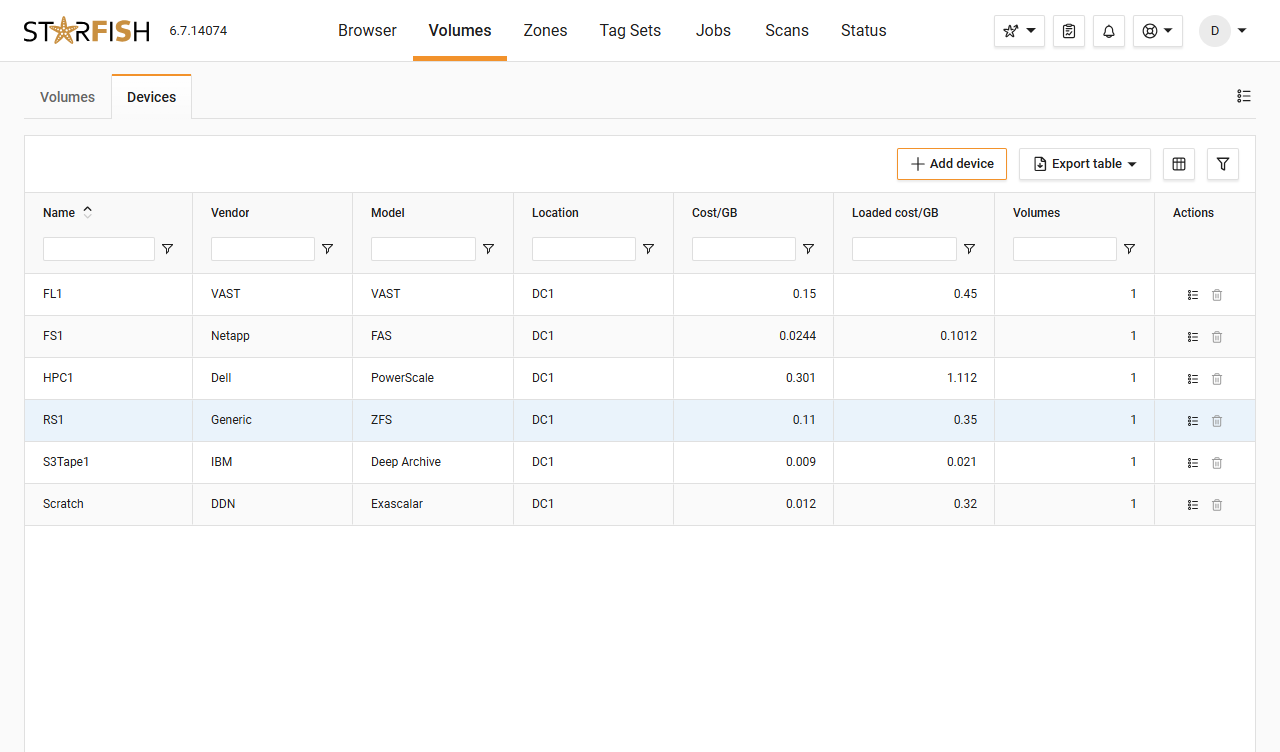
Administrators set cost per GB and loaded cost per GB per volume and device, and assign hardware profiles by vendor, make, and model, so the figures reflect what the estate actually costs rather than a list price.
Cost and loaded cost per GB
Set both, per volume and per device, so allocation reflects the real cost of the platform the data sits on.
Hardware profiles
Assign profiles by vendor, make, and model. Mixed-vendor estates cost out correctly without a spreadsheet.
Mapped to the business
Custom key-value metadata, Tags, and parameters map storage to grant numbers or cost centers.
Traceable to the owner
Daily, auditable updates on consumption and cost, traceable to individual users based on ownership.
Unstructured Data Catalog
See your own cost model, on your own data
No made-up demo. We point Starfish at your environment and show you what each department is actually consuming.
Reporting & Attribution
Everyone sees their own number
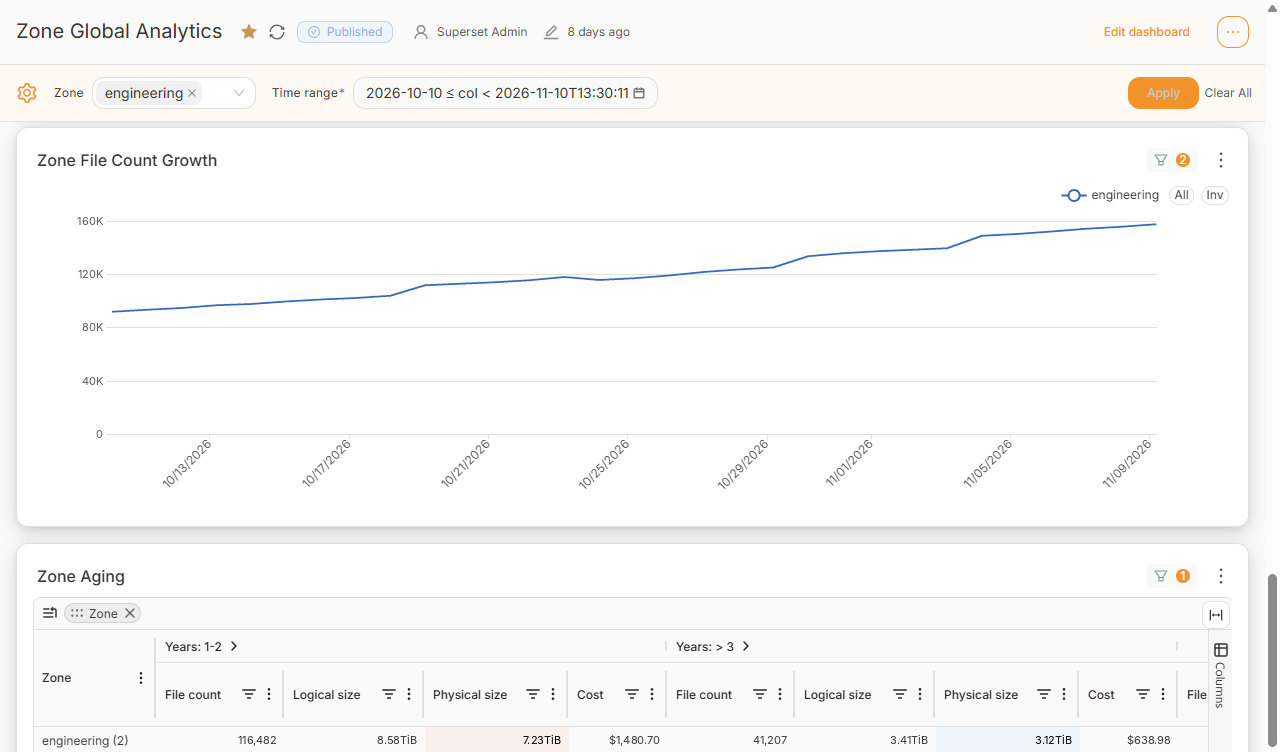
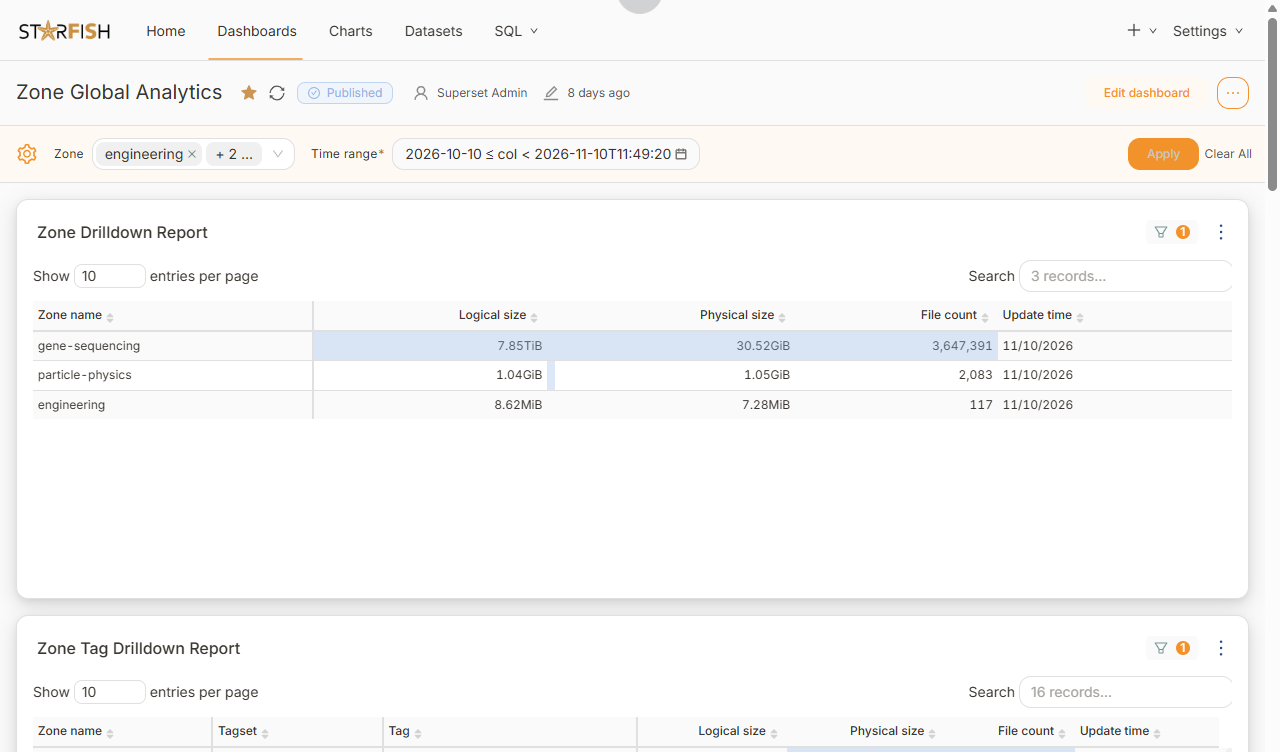
User pivot tables, finance and executive dashboards, and scheduled reports put consumption in front of the people driving it, and give finance something defensible to work from.
User pivot tables
Consumption per volume and in aggregate, so the largest consumers are obvious rather than argued about.
Finance and executive dashboards
Purpose-built views for the people who fund the file estate, not a general-purpose report they have to interpret.
Reports that arrive on schedule
Structured reports emailed to department heads, plus a daily check-in for the latest consumption.
An audit log
Administrative queries are logged, so the basis of an allocation can be reconstructed when it is challenged.
Integration & Outcome
Behavior changes when the bill arrives
Integrate Starfish with third-party billing or other systems and build exactly the system you need by utilizing our API, MCPs, and direct queries to the catalog.
API and MCPs
Feed consumption and cost data straight into the billing system you already run.
Build your own
The UDC schema is open and SQL-queryable. Harvard built a chargeback plug-in for ColdFront and open-sourced it.
Voluntary cleanup
Teams who can see what their data costs slow their growth and remove low-value data without a mandate.
Defensible allocation
An auditable basis for cost allocation instead of estimates, and an end to the spreadsheet exercise.
In Practice
"Our data volumes grow by 20% year after year. Since continued growth at this rate would quickly become unsustainable, we started considering how to help users be smarter about what data they store and where, or even if they really need it. Ultimately, our goal is to see overall year-over- year storage demands flatline."

Raminder Singh, Associate Director, Data Science & Research Facilitation, Harvard FAS RC
Harvard FAS Research Computing
Dig Deeper
Resources for the curious technical reader

Blog
How Harvard FAS Research Computing is recovering $2M a year in annual storage costs
The story of how Harvard Faculty of Arts and Sciences Research Computing partnered with Starfish Storage to launch a chargeback program that recovers $2M annually, funds a full-time data manager, curbs storage growth, and helps researchers control their data storage costs.
4-read
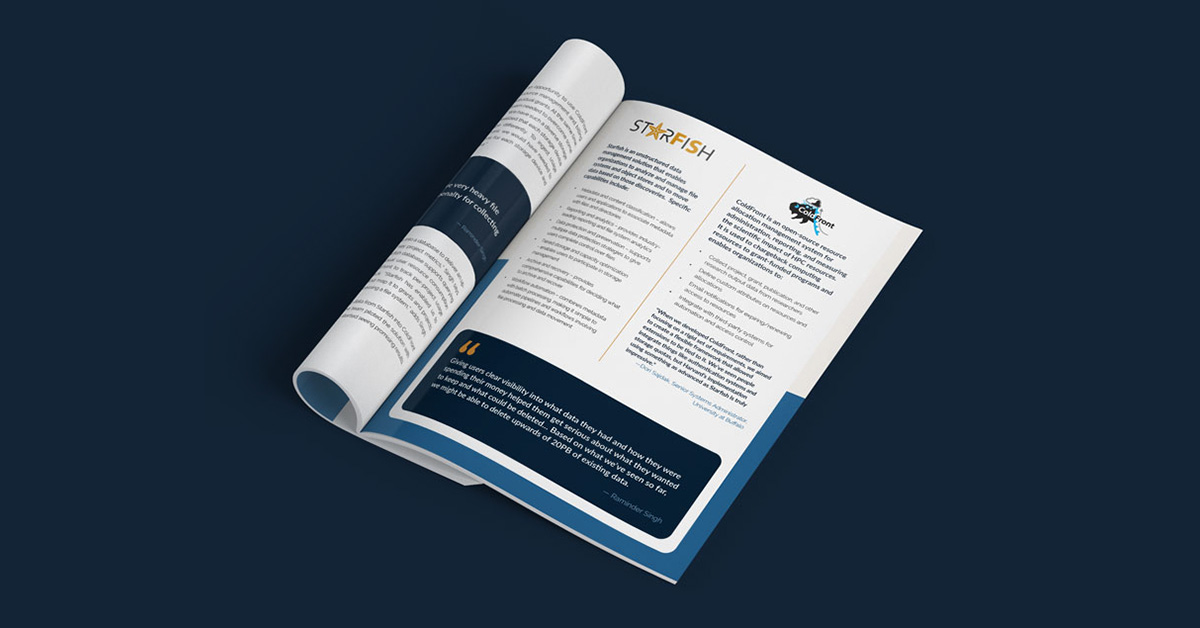
Case Study
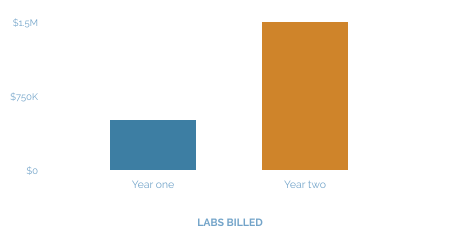
Harvard FAS Uses Starfish and ColdFront to Gain $1.5M in Chargebacks
The case study details how Harvard FAS utilized Starfish and ColdFront for improved data management. This integration led to the removal of petabytes of legacy data, resulting in $1.5M in grant chargebacks. Learn how this solution provided precise capacity consumption metrics, enhanced billing accuracy, and facilitated ROT cleanup and archiving for cost savings and better data hygiene.
7-min read
Glossary
Get everyone using the same words
Storage admins, data owners, and finance can all say “cold data” and mean three different things. The glossary pins each term to one plain definition.
Quick reference
FAQ
Frequently asked questions
What is the difference between chargeback and showback?
Showback reports consumption and cost to the people driving it. Chargeback bills them for it. Both depend on the same thing: granular, auditable, current usage data that can be traced to an owner.
How accurate is the attribution?
Consumption is traceable to individual users based on ownership and updated daily, with an audit log of administrative queries - which is what makes an allocation survive being challenged.
Can we map storage to grants and cost centers?
Yes. Custom key-value metadata, Tags, and parameters map storage to grant numbers or cost centers, and the figures roll up per volume and in aggregate.
Does this work across different storage vendors?
Yes. Administrators assign hardware profiles by vendor, make, and model and set cost and loaded cost per GB per volume and device, so a mixed-vendor estate costs out correctly.
Can we feed our existing billing system?
Yes, through export or the REST API. The UDC schema is also open and SQL-queryable, which is how Harvard built its ColdFront plug-in.
Does showing people the cost actually change anything?
It does. At Harvard FAS, users deleted nearly a petabyte within weeks of rollout, with upwards of 20 PB more identified as deletion candidates.
Ready When You Are
Find out what your storage is really costing, by department.
We will model cost on a sample of your own data and show you where the consumption actually sits.